Surf Skull
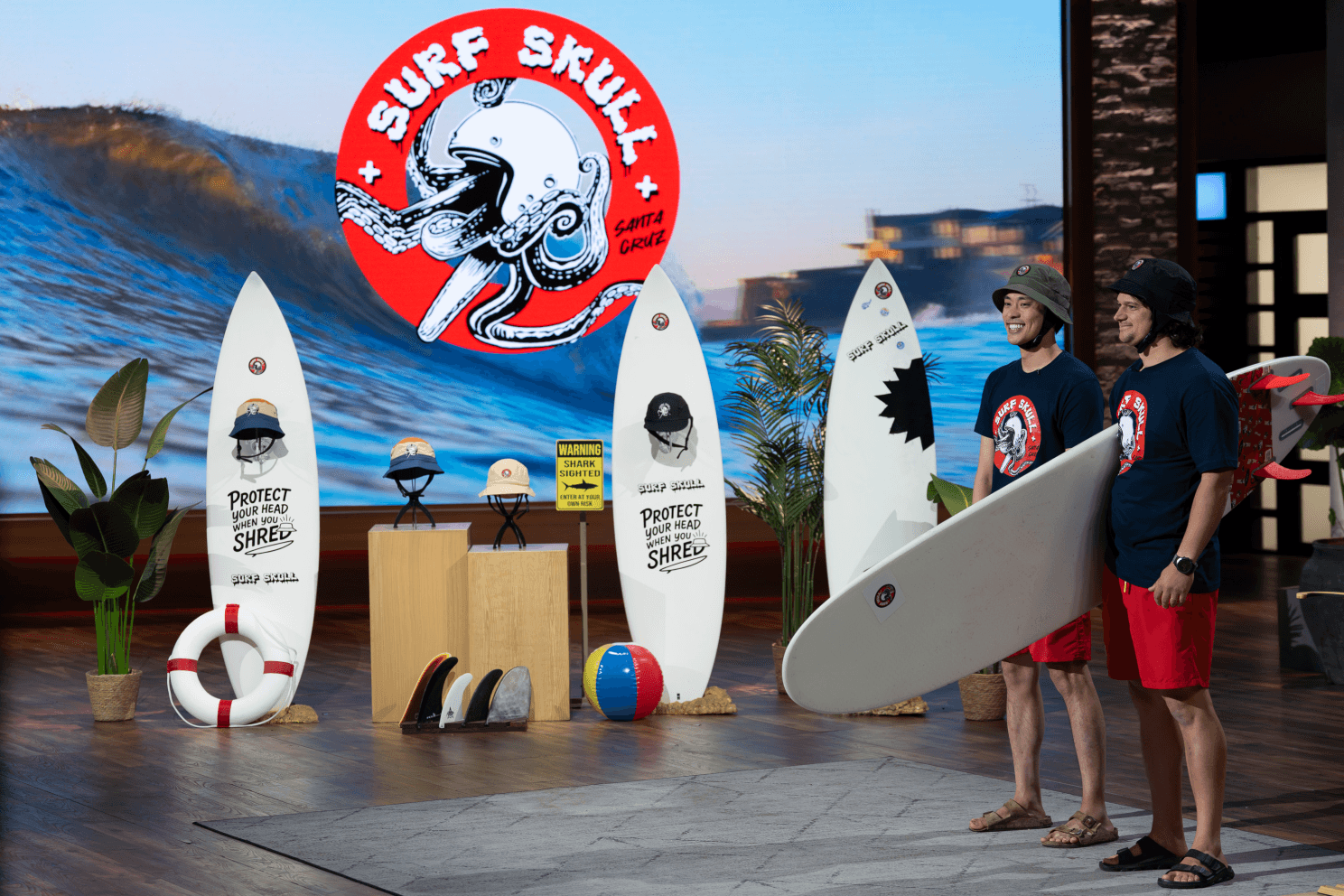
Surf Skull & Shark Tank
Founding a safety-gear company, designing the product and brand end-to-end, and closing a deal on Shark Tank
Project Overview
| company | Surf Skull — Founder |
| role | Founder & Product / Brand Designer |
| team | Solo — with manufacturing partners in Shenzhen |
| timeline | 2022 – Present |
| tools | Figma, Fusion 360, Shopify, After Effects |
| constraints | Bootstrapped budget; patent-pending hardware; strict filming NDA until air date |
Overview
Surf Skull is a surf helmet company I founded and designed end-to-end — the product, the patent-pending impact technology, the brand, and the e-commerce experience. I pitched it on Shark Tank and closed a deal with Daniel Lubetzky (founder of KIND Snacks). Sales jumped roughly 10× overnight when the episode aired.
The Problem
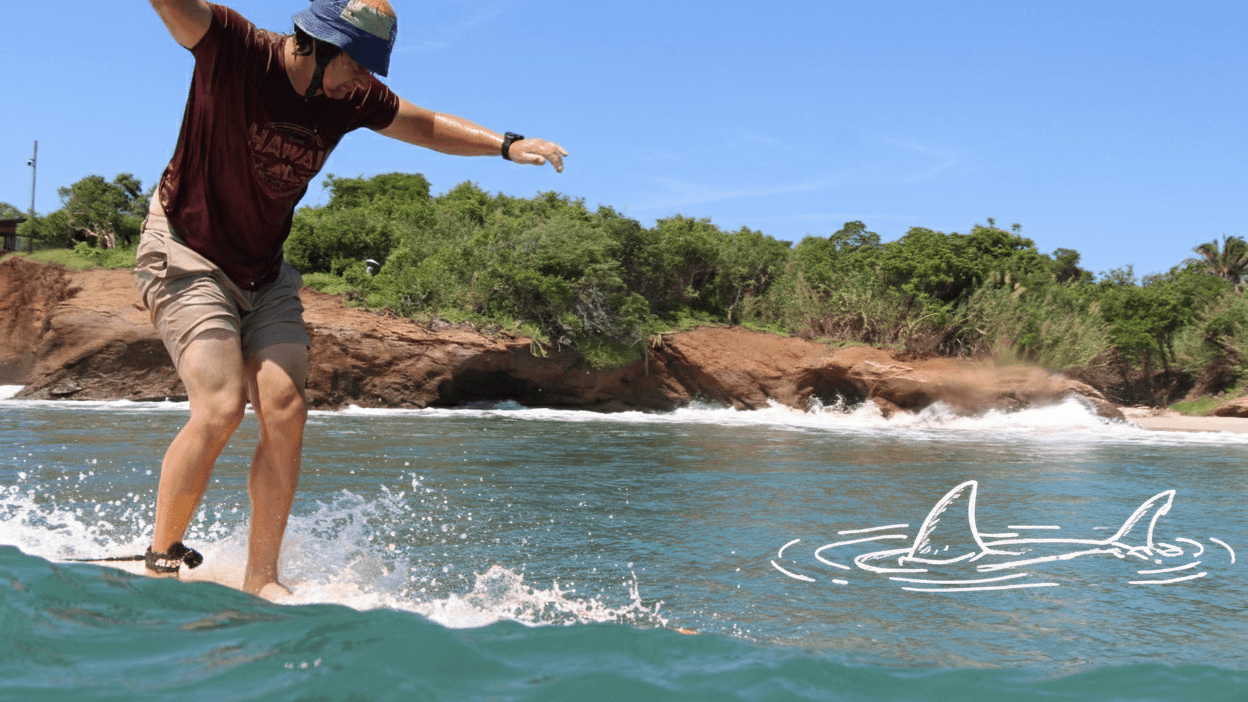
Existing surf helmets were bulky, unattractive, and carried a stigma that kept 95% of surfers from wearing any protection at all. The safety gap wasn't a technology problem — it was a design problem. Nobody had built a helmet that surfers actually wanted to wear.
Product Design — 0 to 1 Hardware
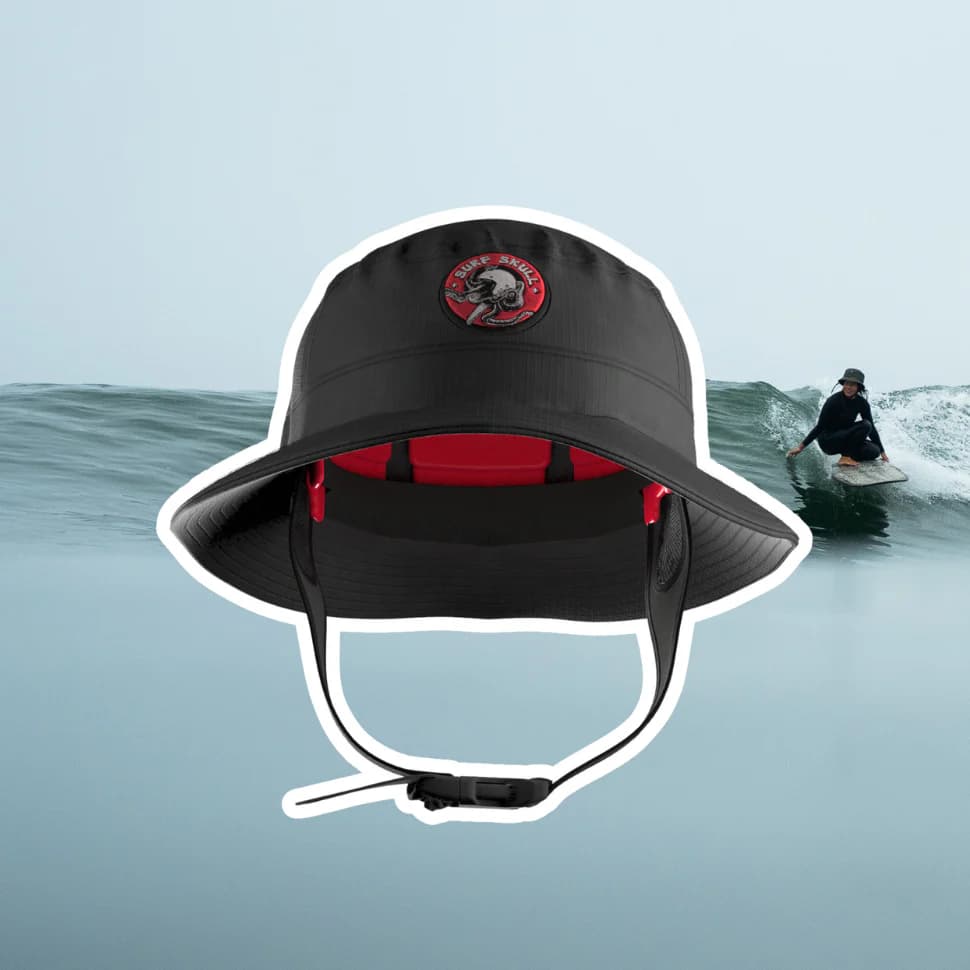
I led the physical product design from first sketch through injection-molded final unit. The core innovation is patent-pending Reeflex slip-layer technology — a low-friction membrane that reduces rotational impact forces, adapted from cycling helmets and re-engineered for saltwater. I partnered directly with material scientists, industrial designers, and overseas manufacturers to get it built.
Brand & Digital Experience
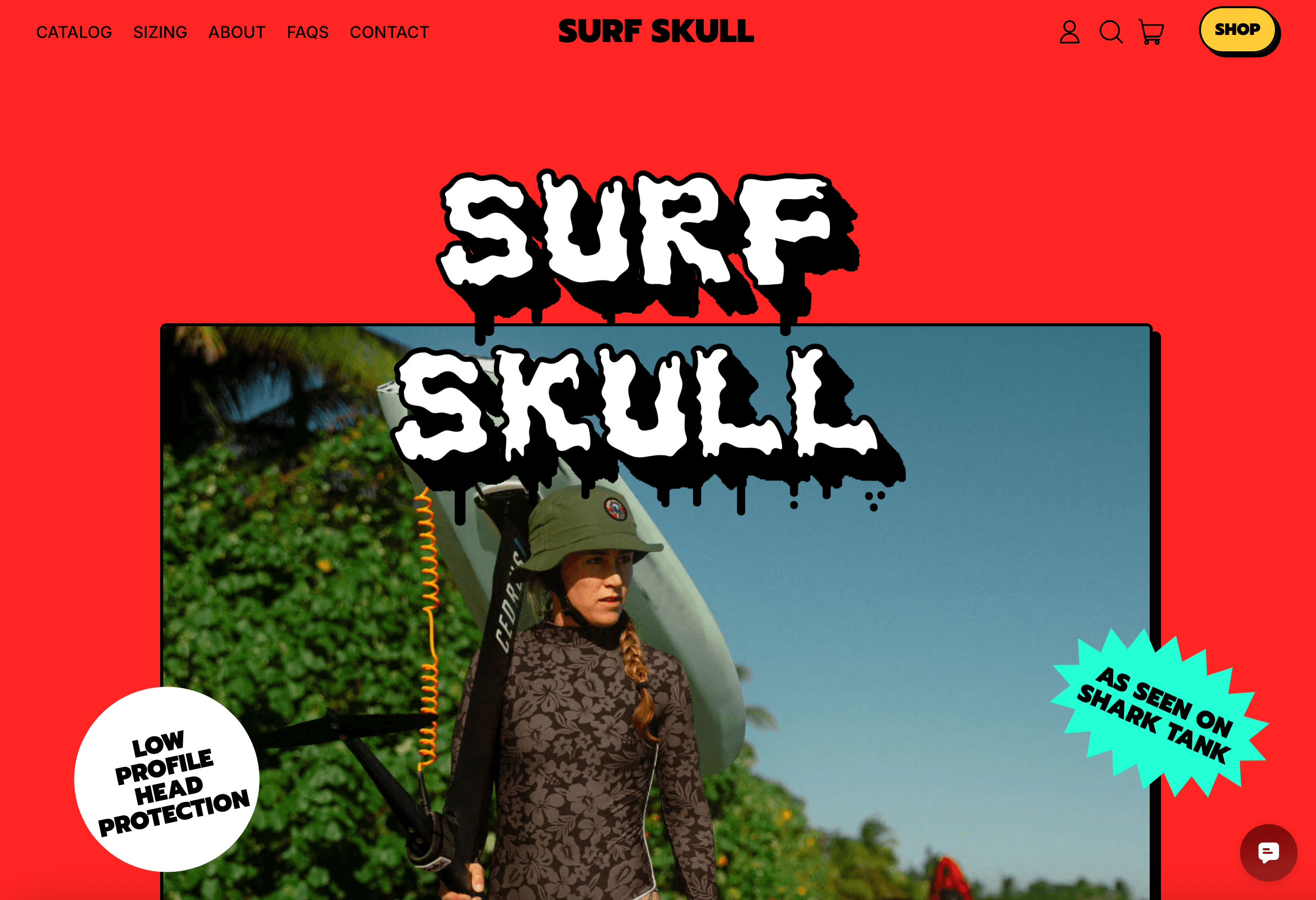
I designed the complete brand system and built thesurfskull.com from scratch — identity, voice, packaging, photography, and the e-commerce flow end-to-end. The strategic call was to reject the clinical, fear-based tone of traditional safety brands and build something surfers wanted to belong to. The result is a consistent product + digital + physical experience that recruiters may recognize as the kind of systems thinking senior and staff designers are asked to do inside larger companies — here I just got to own all of it.
Communicating Product Value on Shark Tank
Pitching on Shark Tank is the highest-stakes stakeholder review I've ever run: five skeptical investors, a live product demo, and no second chance to explain the design. My job was to translate a nuanced material-science story and a brand strategy into a clear narrative in under ten minutes. That translation work — complex product value → decision-maker buy-in — is the same muscle I use to pitch design direction to execs at Google.
What This Taught Me as a Designer
Owning a 0→1 company forced me to get fluent in the disciplines senior and staff designers usually collaborate with from a distance — manufacturing, patent filing, supply chain, e-commerce ops, and founder-level prioritization under real business pressure. It made me a sharper partner to PMs and engineers because I've had to live inside their constraints, not just design for them. And it locked in a conviction I still carry into every design review: ambiguity isn't a blocker, it's the job.
Reflections
What I'd Do Differently
I'd build the e-commerce UX earlier in the process — we launched the site reactively after the episode aired, which meant scrambling during the biggest demand spike we'd ever seen. The brand system held up well, but the checkout flow and product detail pages weren't optimized for conversion at launch. Given another shot, I'd also run usability testing on the purchase flow with surfers specifically — not just general e-commerce users — since they have very specific questions about fit and safety before committing.